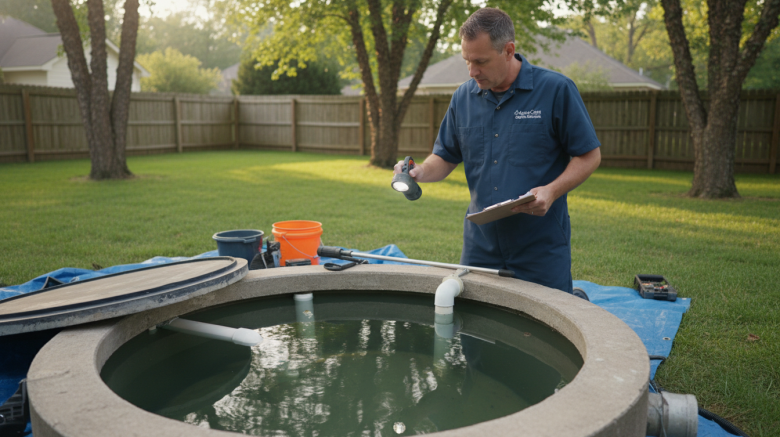
Under your yard lies a complex processing plant that manages all domestic waste biologically. This underground system is made up of a trio of elements that work in unison.
This website about septic pumping

Read more about septic pumping

Get the information about septic pumping
The first component is the collection tank, where all household waste initially collects. Then there is the absorption area, which disperses effluent into the earth. The native soil functions as the final natural filter.
Once waste reaches the unit, gravity starts sorting the waste. Thick waste sink to the bottom, making a layer called sludge. Less dense substances like grease and fats float upward, creating a floating mat.
The middle section holds clarified liquid called effluent. This relatively clean water then flows out to the leach bed for further treatment.
Natural bacteria in the system and the ground are crucial in digesting organic matter. The bacterial colony aid in safeguarding local water sources by decomposing dangerous pathogens.
Knowing this cycle demonstrates why periodic maintenance becomes necessary. The team at Septic Services of LA can explain your specific system’s operation when they service your home.
Factors Impacting Septic Tank Pumping Frequency
Your property’s distinct traits are significant factors in setting the correct service timeline. The amount of residents living in your house impacts how quickly waste accumulates.
Larger families create additional bathing, laundry loads, and bathroom usage. Every one of these actions add to more rapid accumulation of your underground treatment unit.
The volume of the septic unit is just as critical. High-capacity systems can hold more solids and require less frequent attention than smaller ones serving the same family.
| Home Variable | Minimal Use Case | Heavy Use Case | Maintenance Frequency |
|---|---|---|---|
| Occupancy | Small household | 5+ people | 3-5 yr vs. 1-2 yr |
| Unit Size | 1,500+ gallons | Standard size | Less frequent vs. More frequent |
| Water Usage | Low flow | High daily consumption | Delated vs. Urgent |
| Solid Waste Load | No disposal usage | Frequent disposal operation | Extended vs. Frequent |
Being water-wise and using efficient machines also affect your timeline. Older setups or those showing wear may need more regular professional evaluation.
Septic Services of LA evaluates all these elements during their assessment. They create tailored strategies that avoid wasting money on pumps whilst stopping issues.
Proper evaluation helps homeowners save money with system protection. Tailored timelines ensure optimal performance for your unique needs.
Knowing When To Pump Your Septic Tank
Your wastewater system signals if service is due using distinct warnings around your home. Seeing these red flags can stop big problems and avoid expensive repair bills.
Sluggish pipes all over the home that don’t respond to typical cleaning methods are usually the first clue. When multiple fixtures drain sluggishly, your system may be reaching capacity.
Unpleasant sewage odors around the tank lids or drain field indicate escaping gases from an packed tank. These smells mean waste isn’t properly contained.
Puddles or unusually green grass patches over the leach lines show that effluent isn’t absorbing properly. Gurgling plumbing sounds and weak toilet flushes also suggest urgent help is likely needed.
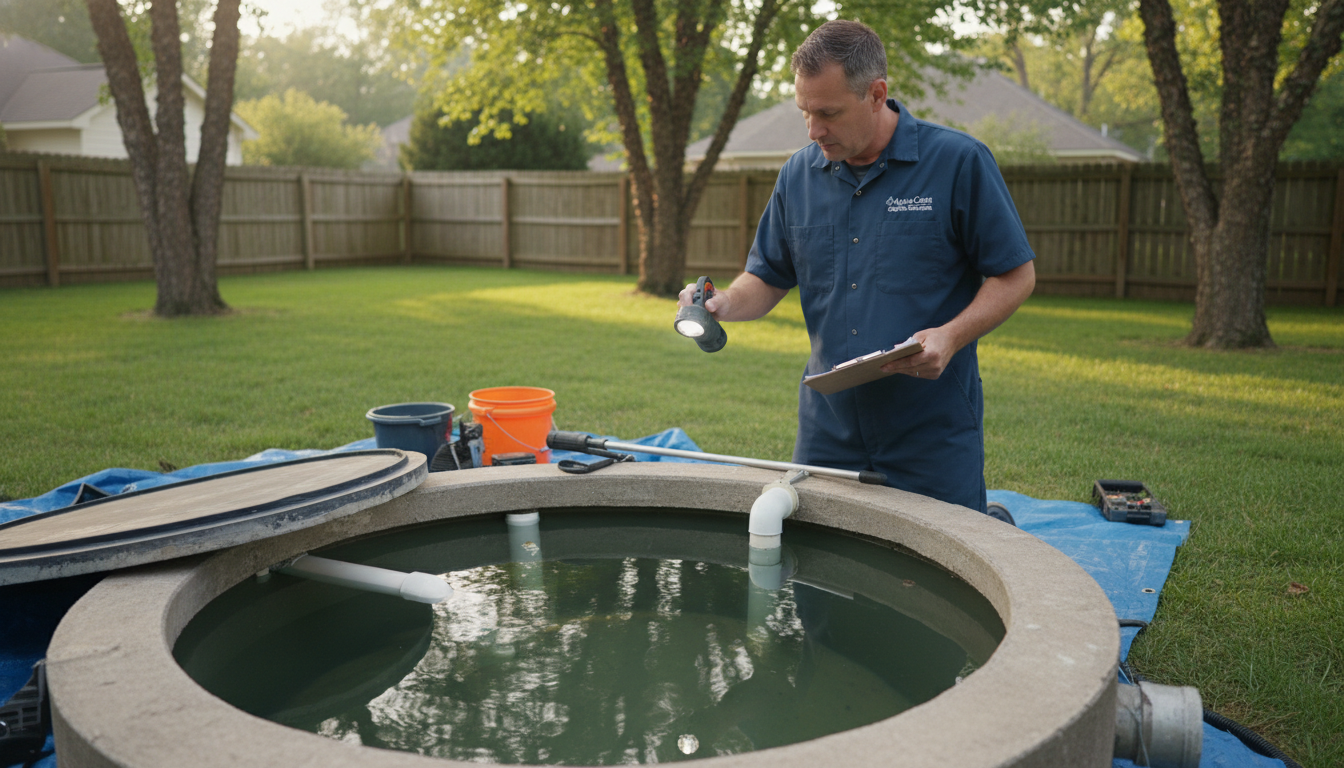
Homeowners can check levels with a sludge judge or stick to measure sludge depth. When the dark material reaches 12 inches at the bottom or scum is 6 inches thick, professional attention is required.
However, opening the access port carries safety risks. Septic Services of LA delivers thorough inspections that keep you safe while delivering accurate assessments with photo documentation of actual conditions.
Their expert evaluation finds issues prior to disasters, ensuring your system receives proper care when needed.
Ideal Service Timeline For Your Property
Residents frequently query how frequently their on-site treatment system requires professional attention. Common advice is that tanks require pumping every 3-5 years. This is a baseline not a hard law.
Your individual case dictates the ideal timeline. A 4-person home with a typical tank size typically needs attention every 2.5-3 years. Tiny tanks with the same people may require more regular service.
| Household Size | Unit Size (Gal) | Avg Frequency | Measurement Method |
|---|---|---|---|
| Small family | Small to Medium | Every 4-5 yrs | Check layer depth |
| 3-4 people | 1,000-1,500 | Every 2.5-4 yrs | Pump at 12″ sludge |
| 5+ people | Huge | 1-3 years | Monitor scum at 6 inches thick |
Set dates are not as good as condition-based schedules. Some property owners pump their tanks more often than necessary. This is expensive and hurts the good bugs.
The bacteria require a few weeks to recover after service. Over-pumping can damage the natural waste breakdown process. The best way bases decisions on real data.
Septic Services of LA creates personalized schedules using professional inspections. They look at your specific unit conditions and household patterns. Their experts keep good logs to set optimal future service intervals.
Best Practices For Tank Pumping And Upkeep
Easy everyday routines can dramatically extend the life of your septic system. The pros from Septic Services of LA emphasize that all water leaving your house goes into the tank. Good maintenance helps keep septic components working perfectly for decades.
Water conservation is a key factor in upkeep. Take shorter showers and fix leaky faucets promptly. Use appliances only when full to reduce strain on the tank.
Pay attention to what you flush. Never pour oil, toxics, or plastic down the drain. The commode should only handle human waste and toilet paper—no garbage.
Guard the leach area by diverting rainwater elsewhere. Avoid parking vehicles over this critical component. Keep trees and large shrubs at a safe distance to stop root intrusion.
Regular inspections periodically help catch small issues before they become expensive problems. Following these practices will keep your septic system healthy and stretch the time between necessary service appointments.
Actionable Steps To Prepare For Septic Cleaning
Some preparation makes a difference when it’s time for the service appointment. Good prep work ensures the service team from Septic Services of LA can work efficiently and effectively.
First, find your buried tank. Look at house plans or trace the pipe from your home. Many tanks are buried 10-25 feet away from the foundation.
Clear the surrounding area of blockages prior to arrival. Move stones and pots, and cut back bushes. Ensure the service truck has easy access to the site.
If the lid is underground, you can dig it out to speed things up. The pros can dig it if needed. The actual pumping process usually lasts 20-30 minutes for a standard tank.
During the service, the techs inspect components including baffles and pipes. They look for breaks as they pump it out. Costs generally range from $300-$600 based on location and size.
Being present during the appointment lets you ask things and provide maintenance recommendations. Septic Services of LA gives detailed reports to assist in monitoring your system’s health over time.
Benefits Of Professional Septic Service
Professional maintenance changes routine maintenance from a chore into an investment in home value. Attempting to handle wastewater system service yourself invites incomplete waste removal and possible breakage.
Industrial trucks and proper disposal permits are essential for safe, effective service. Professional technicians understand how to avoid toxic fumes during the process.
When selecting a company, verify their licensing, insurance and client feedback. Clear costs and skilled workers indicate trustworthy work for your family.
Septic Services of LA shines as the top choice in the LA region. Their team provides full service including routine maintenance and urgent repairs.
The staff does deep checks every time, finding problems before they get expensive. They keep logs to optimize your system’s maintenance schedule over time.
Additional value-added services include locating buried components and giving custom advice. Their focus on teaching you guarantees you understand your system’s unique needs.
Offering easy booking and fast arrival, Septic Services of LA delivers reliable care that protects your investment. Their professional approach ensures good work all the way through.
Post-Pumping Care For Your Septic Unit
Your wastewater treatment setup starts a rebuilding period once cleaned. The good bacteria that break down waste need time to grow back.
The microbes typically require 1-3 weeks to get back to full strength. In this time, be careful of water use.
Keep staying away from harsh chemicals and non-biodegradable items in your drains. Keep up the routine that help extend time between pumps.
Establish a regular inspection schedule every 1-3 years to watch waste levels. This smart strategy helps catch developing issues early.
Save the paperwork of all maintenance activities and notes. Septic Services of LA assists clients in keeping these important data for optimal system management.
Watch for warning signs like clogs or unusual odors near the yard. These indicators can signal when your unit needs attention.
Annual visual checks of your property and ongoing water saving help with long-term system health. Proper care between service visits greatly adds to system life.
Summary
Managing your septic care begins with knowing how it works. No single timeline exists that works for everyone. The right timing depends on your family’s size, usage habits, and waste amount entering the system.
The best way involves checking the actual sludge and scum layer levels in the tank. Watch for warning signs like slow drains or unusual odors. These signals mean it’s time for professional attention.
Smart routines protect your investment and can extend the time between service appointments. Trusting experts like Septic Services of LA ensures quality work and custom tips.
Want a setup that works well for decades? Contact Septic Services of LA now for a professional assessment and maintain your septic on the right track.